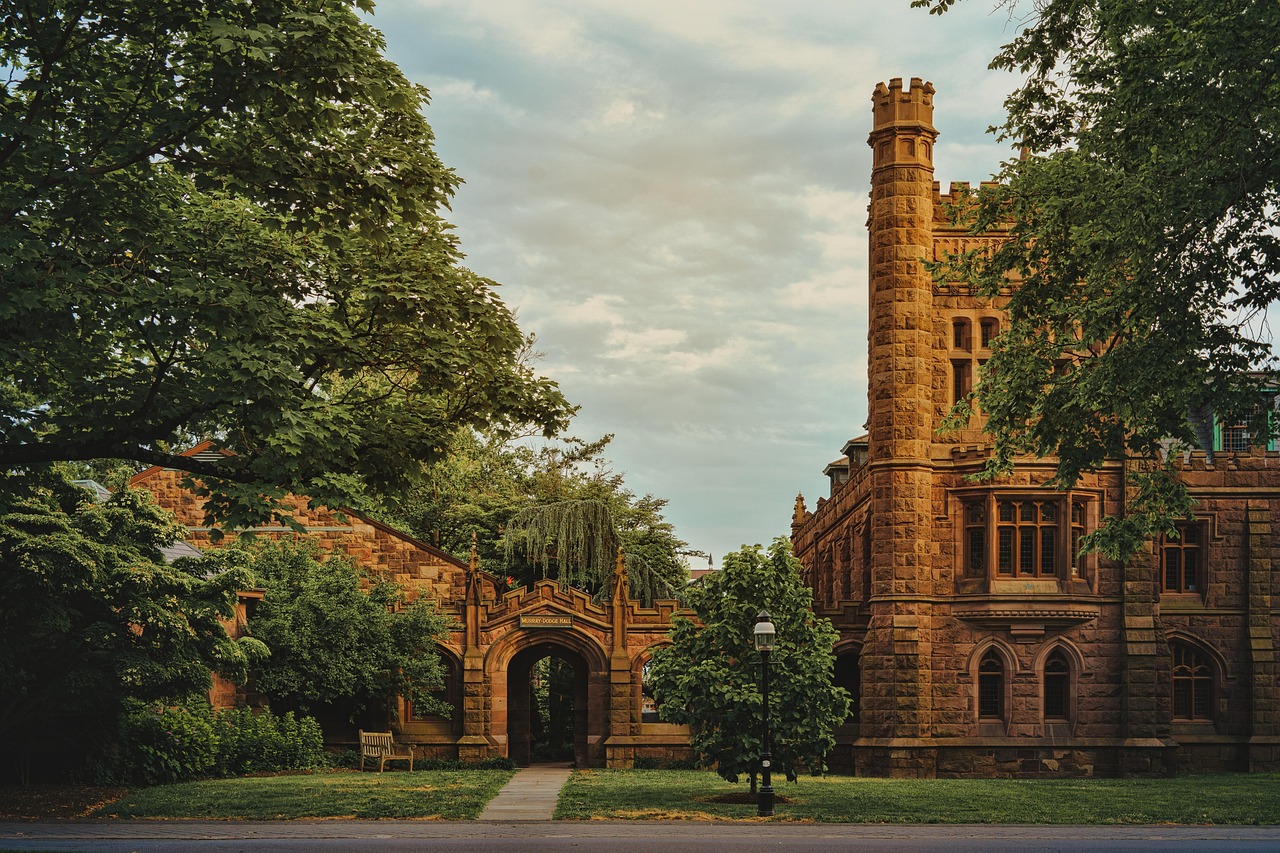
Drug and alcohol abuse is a pressing issue in Hackensack, New Jersey, and across the nation. The impact of addiction extends far beyond the individual, affecting families, communities, and the broader social fabric. Recognizing the urgency, Drug Rehabs Hackensack New Jersey offers specialized facilities and services to address this complex problem.
The challenges posed by addiction are significant. Many individuals struggle to break free from the grip of drugs or alcohol, often due to underlying mental health issues or traumatic experiences. This complex web requires tailored, evidence-based solutions.
Drug Rehabs Hackensack New Jersey provides comprehensive care, leveraging approaches like Cognitive Behavioral Therapy (CBT), individual counseling, and 12-step programs. Our experts, including licensed clinical social workers (LCSWs) and certified addiction counselors, offer support tailored to each client's unique needs, promoting lasting recovery.
- Understanding Drug Addiction: A Local Perspective for Hackensack New Jersey
- Navigating Drug Rehabs Hackensack: What to Expect
- Identifying Signs: Recognizing Addiction in Community Members
- Effective Counseling Strategies: Treating Drug Addiction in Hackensack
- Support Systems: Building Networks for Recovery Success
- Long-Term Recovery: Preventing Relapse in Drug Rehabs Hackensack New Jersey
Understanding Drug Addiction: A Local Perspective for Hackensack New Jersey
Understanding drug addiction in our community requires a localized perspective, focusing on the unique challenges and resources available in Hackensack, New Jersey. Drug rehabs Hackensack New Jersey offer specialized support for individuals struggling with addiction, recognizing that treatment should be tailored to meet the specific needs of each person. In this city, the landscape of addiction treatment is diverse, encompassing various approaches and settings.
Inpatient drug rehabs close to Hackensack provide intensive, round-the-clock care for those with severe or complex addiction issues. These programs often include medical supervision, individual counseling, and group therapy sessions, designed to address the physical and psychological aspects of recovery. The Recovery Center at Hackensack University Medical Center offers such a program, utilizing evidence-based treatments like Cognitive Behavioral Therapy (CBT) to help patients understand and change their behaviors. Local addiction specialists and certified counselors, such as those at New Jersey Behavioral Health Care, play a crucial role in providing personalized support and guidance throughout the recovery process.
The Hackensack community is fortunate to have access to numerous resources, including dedicated hotlines like the SAMHSA National Helpline, which offers confidential support and information to those seeking help. Local recovery organizations and aftercare programs also contribute to the holistic care of individuals in recovery, fostering a supportive network that extends beyond the walls of a treatment facility. By combining these various services, Hackensack's drug and alcohol counseling centers create comprehensive care plans that address not just the addiction itself, but also the underlying issues that contribute to it.
Navigating Drug Rehabs Hackensack: What to Expect
Navigating Drug Rehabs Hackensack: What to Expect
Choosing the right drug rehab in Hackensack, New Jersey, is a critical step in your recovery journey. Drug Rehabs Hackensack New Jersey offers a range of specialized programs tailored to different needs, from opiate addiction to gaming addiction. The city's mental health rehabs are renowned for their comprehensive approach, integrating evidence-based treatments with holistic care. The Recovery Center at Hackensack University Medical Center employs 12-step programs alongside Cognitive Behavioral Therapy (CBT) to address the root causes of addiction.
Rehab facilities in Hackensack typically begin with an assessment period, where licensed clinical social workers (LCSWs) evaluate your unique situation. This step ensures you receive the most suitable treatment plan, whether it's individual counseling, group therapy, or a combination. During this phase, you'll also connect with certified addiction counselors who will guide you throughout the process. Many clients find this initial phase enlightening, as it helps them understand their addiction and the factors that contribute to it.
The recovery process continues beyond the initial assessment. Hackensack's top-tier facilities offer long-term care and aftercare programs designed to support your transition back into daily life. Local recovery celebrities and national recovery organizations often serve as inspiration, demonstrating the possibilities of lasting recovery. Remember, each person's journey is unique, and what works for one might differ for another. The key is to find a program that aligns with your needs and offers a supportive environment for your healing.
Identifying Signs: Recognizing Addiction in Community Members
Recognizing addiction in community members is a critical step in connecting them with the support they need, and Drug Rehabs Hackensack New Jersey plays a pivotal role in this process. The first signs of addiction can be subtle, often disguised as changes in behavior or routine. It's essential to be vigilant, as addiction can affect anyone, regardless of their background or social standing. In Hackensack New Jersey, with its diverse community, being able to identify these signs early can make a significant difference.
Local drug rehabilitation services and inpatient drug rehabs close to Hackensack offer valuable resources for those struggling with addiction. However, not everyone seeks professional help immediately. Recognizing the warning signs can encourage individuals to take that first step towards recovery. A sudden withdrawal from social activities, changes in eating or sleeping patterns, or increased irritability and mood swings could indicate a problem. The Recovery Center at Hackensack University Medical Center, in collaboration with Licensed Clinical Social Workers (LCSWs) and Certified Addiction Counselors, provides education and support to the community on these topics.
The key to effective intervention lies in understanding that addiction is a complex issue. It may manifest as physical dependence, where an individual feels they cannot function without the substance, or behavioral changes, such as lying, stealing, or prioritizing the substance over personal responsibilities. These behaviors often escalate over time, and those affected may need professional help to break free from these destructive patterns. Hackensack's diverse range of recovery centers, from local private therapy practices to the SAMHSA National Helpline, offer comprehensive care tailored to individual needs.
Remember, if you or someone you know is displaying these signs, seeking help is a courageous act. Drug rehabs in Hackensack New Jersey are designed to provide a safe space for individuals to confront and overcome addiction, with holistic and long-term care options available. Don't delay; reaching out could be the first step towards a brighter, sober future.
Effective Counseling Strategies: Treating Drug Addiction in Hackensack
In the context of drug and alcohol counseling in Hackensack, New Jersey, understanding effective counseling strategies is crucial for treating drug addiction. Drug rehabs in Hackensack New Jersey often employ a variety of approaches, each designed to address different aspects of the complex nature of addiction. One widely recognized and successful method is the 12-step program, which offers a structured path to recovery through individual counseling and group support. This program, popularized by local recovery organizations, encourages patients to acknowledge their addiction, accept their limitations, and commit to a life in recovery.
Cognitive Behavioral Therapy (CBT), another evidence-based approach, is also prevalent in Hackensack's addiction recovery facilities. CBT focuses on identifying and changing negative thought patterns and behaviors that contribute to drug use. By teaching patients to recognize and modify these patterns, CBT empowers them to make healthier choices and avoid triggers. A patient struggling with anxiety and substance abuse might learn coping mechanisms through CBT, enabling them to manage their anxiety without resorting to drugs.
To these structured programs, drug rehabs close to Hackensack often provide holistic care, incorporating alternative therapies and aftercare support. This might include activities like art therapy, meditation, or involvement in local recovery communities. Such approaches cater to the individual's emotional, mental, and even spiritual needs, enhancing the overall effectiveness of treatment. The Recovery Center at Hackensack University Medical Center offers specialized programs that combine individual counseling with group support and holistic practices, reflecting the diverse range of services available in the area.
Support Systems: Building Networks for Recovery Success
Building supportive networks is a crucial aspect of addiction recovery, and for individuals in Hackensack New Jersey seeking help at drug rehabs, access to robust support systems can significantly impact their long-term success. Drug rehabs in Hackensack and the surrounding areas offer a range of resources to foster these networks, ensuring that clients have a strong system in place as they transition to a sober lifestyle.
One of the primary support mechanisms is the involvement of licensed clinical social workers (LCSWs) and certified addiction counselors. These professionals play a vital role in guiding clients through the recovery process, providing individual counseling, and helping them develop coping strategies. Many of these counselors are part of the local addiction treatment community, offering a sense of familiarity and accessibility to clients. The Recovery Center at Hackensack University Medical Center employs LCSWs who specialize in dual diagnosis care, addressing both mental health and substance use disorders simultaneously. This holistic approach ensures that individuals receive comprehensive treatment tailored to their unique needs.
Dual diagnosis care in Hackensack is a specialized service that has gained prominence, recognizing the frequent occurrence of co-occurring disorders. Inpatient drug rehabs close to Hackensack often provide dedicated programs for these individuals, offering a safe and supportive environment. Support groups, such as those facilitated by local chapters of national recovery organizations, also form a critical component of these networks. These groups provide a sense of community, allowing individuals to connect with peers facing similar challenges, fostering a powerful support system. The SAMHSA National Helpline connects individuals with local resources, including support groups and addiction treatment centers, empowering those seeking recovery in the Hackensack area.
Long-Term Recovery: Preventing Relapse in Drug Rehabs Hackensack New Jersey
Long-term recovery from drug addiction is a complex and multifaceted process, and Drug Rehabs Hackensack New Jersey play a crucial role in supporting individuals through every step. Preventing relapse is not merely about completing a treatment program but ensuring clients have the tools, resources, and mindset to maintain sobriety for life. Many people who enter rehab for opiate addiction Hackensack or other substance use disorders face significant challenges upon leaving, including stress, triggers, and unaddressed co-occurring mental health issues. Therefore, a comprehensive approach to recovery is essential to help individuals stay the course.
One of the most effective strategies for long-term recovery is aftercare planning. Local drug rehabilitation services Hackensack often include aftercare programs designed to bridge the gap between intensive treatment and independent living. These programs may involve regular check-ins with therapists, participation in support groups, and access to resources like local recovery organizations and peer mentoring. Clients can benefit from ongoing therapy sessions tailored to their specific needs, whether individual counseling or group therapy focusing on coping mechanisms and relapse prevention. Certified addiction counselors and licensed clinical social workers (LCSWs) play a vital role in providing these services, guiding clients through the transition and fostering a sense of community and accountability.
Integrating holistic and alternative treatments into the recovery process can significantly improve outcomes. Many rehab centers near Hackensack NH now offer activities like meditation, yoga, art therapy, and even local recovery celebrities sharing their stories to inspire and motivate clients. These approaches complement traditional therapy by addressing the whole person-mind, body, and spirit-which can enhance emotional well-being and resilience. By providing a well-rounded recovery experience, Drug Rehabs Hackensack New Jersey can better equip individuals to handle challenges and maintain long-term sobriety.
Frequently Asked Questions About drug and alcohol counseling Hackensack
What is the process for finding a drug and alcohol counselor in Hackensack? Identifying a counselor is straightforward. You can start by contacting local healthcare providers, hospitals, or mental health clinics for referrals. Many counseling centers also offer online directories on their websites, listing practitioners with their specializations and areas of expertise. It's recommended to check insurance coverage and make inquiries about the counselor's qualifications and experience.
How do I know if I need professional help for substance abuse? Determining the need for professional help is a personal process. However, some common signs include losing control over your substance use, experiencing negative consequences at work, school, or home, and feeling unable to stop or cut back. If you find yourself prioritizing substance use over other aspects of your life, it's a strong indicator that professional counseling may be beneficial.
Are there different types of counseling available for substance abuse? Absolutely. The most common types include individual counseling, group therapy, family therapy, and cognitive-behavioral therapy (CBT). Individual counseling offers one-on-one sessions with a therapist, while group therapy facilitates discussions and shared experiences with others facing similar challenges. Family therapy involves your support network, addressing relationship dynamics and family patterns. CBT helps you identify and change negative thought patterns and behaviors.
How long does drug and alcohol counseling typically last? Counseling durations vary depending on individual needs and goals. Short-term counseling may last a few months, focusing on acute issues. Long-term counseling, often involving more severe or chronic substance abuse, can extend over a year. Most installations take one to two weeks for initial assessments and planning, followed by regular sessions spaced weekly or bi-weekly.
What can I expect during my first counseling session? The first session is an introductory meeting where you'll discuss your concerns and goals with the counselor. They'll assess your situation, ask about your substance use history, and explore your expectations from counseling. This session is about building a safe, supportive relationship and creating a personalized treatment plan. Be prepared to share your experiences openly; your counselor is there to help, not judge.
Is drug and alcohol counseling covered by insurance? Most insurance plans do cover a significant portion of counseling costs, but benefits vary. Check with your insurance provider for specific details about coverage, in-network providers, and any co-pays or deductibles. Some plans may require pre-authorization for counseling services, so it's essential to verify coverage before starting treatment.
What support is available for family members of those with substance abuse issues? Many counseling centers offer family therapy sessions tailored to the needs of relatives and friends. These sessions provide a safe space to process emotions, understand the disease, and learn coping strategies. Family members can also benefit from support groups, such as Al-Anon or Nar-Anon, which connect them with others facing similar challenges.
Understanding drug addiction in the context of Hackensack, New Jersey, requires a multi-faceted approach. By recognizing the signs of addiction and accessing effective counseling strategies, such as Cognitive Behavioral Therapy and 12-step programs, residents can begin their journey to recovery. Support systems, including licensed clinical social workers and local recovery organizations, play a crucial role in building networks that foster success. Long-term recovery involves proactive measures to prevent relapse, emphasizing the importance of aftercare programs. Drug Rehabs Hackensack New Jersey offer specialized services tailored to these needs, providing a comprehensive and holistic path to overcoming addiction. The knowledge gained from this overview equips individuals and communities with the tools to support those struggling with substance abuse, ultimately contributing to a healthier, more resilient Hackensack.
Drug rehabs Hackensack New Jersey offer diverse, specialized support for addiction recovery, emphasizing tailored care. Inpatient programs provide 24/7 medical, individual, and group therapy, with evidence-based treatments like CBT. Local specialists, counselors, and hotlines like SAMHSA offer personalized guidance and support throughout recovery. Holistic care, including alternative therapies, complements traditional treatments. Aftercare programs bridge rehab and independent living, featuring ongoing therapy, support groups, and community resources. A comprehensive, long-term approach equips individuals for lasting recovery.