
Drug Rehabs Hackensack New Jersey offer tailored addiction treatment, from outpatient to intensive inpatient care. Success rates are enhanced by licensing, accreditation, group therapy, and community support like Narcotics Anonymous. Comprehensive care includes medical supervision, counseling, CBT, MAT, and aftercare services for long-term recovery. Local facilities foster a supportive recovery environment through peer groups, demonstrating growing commitment to substance use disorder treatment.
In the ongoing battle against substance abuse, local alcohol and drug rehab centers, such as those found in Hackensack, New Jersey, stand as vital resources for individuals seeking recovery. The prevalence of addiction demands effective solutions, and Drug Rehabs Hackensack New Jersey offers a comprehensive approach to addressing this complex issue. This article delves into the challenges faced by those struggling with substance use disorders, providing an insightful exploration of proven rehabilitation strategies and the transformative power of specialized treatment facilities in our community. By understanding these critical needs, we can better support those seeking a path to lasting sobriety.
- Understanding Drug Rehabs Hackensack New Jersey: The First Step
- Navigating Treatment Options: A Comprehensive Guide
- Building a Supportive Recovery Community in New Jersey
Understanding Drug Rehabs Hackensack New Jersey: The First Step
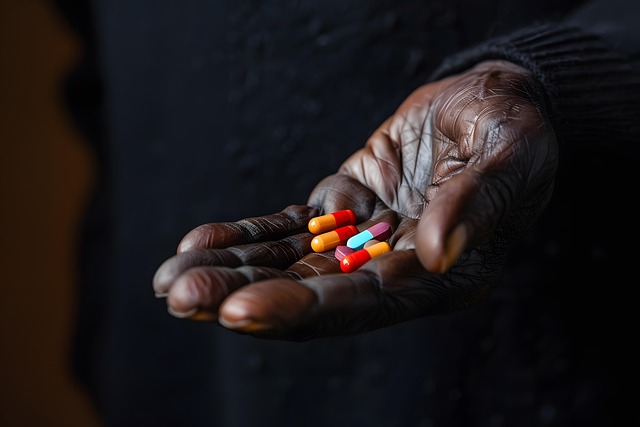
Navigating the path to recovery from drug or alcohol addiction can be challenging, but finding the right support system is crucial. In Hackensack, New Jersey, individuals seeking help have access to a range of Drug Rehabs and treatment programs tailored to meet their unique needs. These facilities offer more than just detoxification; they provide comprehensive care, addressing the physical, psychological, and emotional aspects of addiction recovery.
Drug Rehabs Hackensack New Jersey offers specialized programs designed to cater to various substance use disorders. From outpatient therapy sessions to intensive inpatient care, these centers employ experienced professionals who understand the complexities of addiction. Many successful rehabilitation journeys begin with recognizing the need for professional help, followed by choosing an appropriate program. For instance, some facilities focus on evidence-based therapies, while others incorporate alternative treatments like art or music therapy. Individuals should consider factors such as licensing, accreditation, and patient success rates when selecting a rehab center.
The support network surrounding these drug treatment programs Hackensack New Jersey is equally vital. Narcotics Anonymous meetings and peer support groups play a significant role in long-term recovery. These gatherings provide individuals with a sense of community, understanding, and accountability. Local communities often host such meetings, making it convenient for residents to access this valuable resource. According to recent statistics, participation in group therapy sessions can significantly improve the chances of successful long-term recovery. Additionally, rehab centers near Hackensack NH may offer aftercare services, ensuring individuals have ongoing support as they reintegrate into their communities.
Navigating Treatment Options: A Comprehensive Guide

Navigating Treatment Options for Drug Rehabs Hackensack New Jersey
Choosing a drug rehab center is one of the most crucial decisions in the recovery journey. In Hackensack, New Jersey, options are abundant, from intensive outpatient programs to support groups for addicts. It's essential to consider that each individual's path to sobriety is unique, necessitating a tailored approach. One size doesn't fit all when it comes to effective treatment. For instance, an intensive outpatient rehab program in Hackensack may be ideal for someone who needs structured, frequent sessions while still maintaining independence and daily responsibilities. In contrast, those with milder cases or personal commitments might find success through less intensive methods, such as support groups like Narcotics Anonymous meetings Hackensack NH.
The role of support groups cannot be overstated. Local groups offer a sense of community, understanding, and accountability, often fostering deeper recovery. For example, Narcotics Anonymous has numerous active chapters in and around Hackensack, providing free, peer-led meetings that focus on staying sober through shared experiences and encouragement. These groups complement professional treatment by offering ongoing support and a network of like-minded individuals working towards the same goal.
It's worth noting that successful recovery often requires a combination of treatments tailored to individual needs. Drug rehabs Hackensack New Jersey, including intensive outpatient facilities, prioritize comprehensive care. They offer medical supervision, counseling sessions, behavioral therapies, and sometimes, medication-assisted treatment (MAT). For instance, MAT combines behavioral therapy with medications like methadone or buprenorphine to help manage cravings for opioids. This multifaceted approach ensures that every aspect of an individual's addiction is addressed, promoting long-term recovery.
Building a Supportive Recovery Community in New Jersey

Building a supportive recovery community is an integral part of successful long-term sobriety for individuals seeking Drug Rehabs Hackensack New Jersey. The state's robust network of recovery homes near Hackensack, coupled with outpatient treatment for substance abuse options, creates a unique and conducive environment for healing. According to recent data, New Jersey has seen a significant rise in the number of people enrolled in narcotics recovery groups, reflecting a growing commitment to addressing substance use disorders within the community.
Hackensack, like many urban centers in New Jersey, benefits from a diverse range of treatment facilities and support groups that cater to various needs. Outpatient programs offer flexible, accessible care for those who require continued therapy while maintaining their daily routines. These programs often include individual counseling, group therapy sessions, and educational workshops focused on relapse prevention and coping strategies. For instance, many Drug Rehabs Hackensack New Jersey utilize evidence-based practices such as cognitive-behavioral therapy (CBT) to help clients identify and change negative thought patterns contributing to substance abuse.
Integral to the success of any recovery journey is a sense of belonging and community. Local narcotics recovery groups play a vital role in fostering this by providing peer support, encouragement, and accountability. These groups offer a safe space for individuals to share their experiences, struggles, and victories without fear of judgment. Regular meetings facilitate ongoing learning and growth, with members supporting one another through the challenges of staying sober. For instance, Alcoholics Anonymous (AA) and Narcotics Anonymous (NA) meetings are widely accessible in Hackensack and have proven effective in helping countless individuals achieve and maintain recovery.
Drug Rehabs Hackensack New Jersey offers a comprehensive roadmap for individuals seeking recovery from substance abuse. By understanding the diverse treatment options available and navigating the supportive community in Hackensack, NJ, readers can make informed decisions crucial for long-term success. The article's key insights emphasize the importance of personalized care, community involvement, and access to resources, all integral parts of effective rehabilitation. As a professional guide, this article has equipped folks with the knowledge to embark on their recovery journey with confidence, knowing there are robust support systems in place, such as Drug Rehabs Hackensack New Jersey, ready to foster transformation and indelible change.
Related Resources
Here are 5-7 authoritative resources for an article about local alcohol and drug rehab:
- National Institute on Drug Abuse (NIDA) (Government Portal): [Offers comprehensive research and statistics on substance abuse treatment.] - https://www.drugabuse.gov/
- World Health Organization (WHO) - Mental Health (International Health Organization): [Provides global perspectives and guidelines for mental health treatment, including addiction.] - <a href="https://www.who.int/mentalhealth" target="blank" rel="noopener noreferrer">https://www.who.int/mental_health
- Substance Abuse and Mental Health Services Administration (SAMHSA) (U.S. Government Agency): [U.S.-focused resource offering data, resources, and support for substance use disorders.] - https://www.samhsa.gov/
- Mayo Clinic (Academic Medical Center): [Offers credible medical information on various health topics, including addiction treatment options.] - https://www.mayoclinic.org/
- National Alliance on Mental Illness (NAMI) (Community Support Organization): [Provides support and advocacy for individuals and families affected by mental illness, including substance use disorders.] - https://www.nami.org/
- American Psychological Association (APA) (Professional Association): [Offers insights from psychologists on mental health topics, including addiction treatment and recovery.] - https://www.apa.org/
- Substance Abuse Treatment Facility Locator (SAMHSA): [Helps users find local substance abuse treatment facilities based on location.] - https://findtreatment.samhsa.gov/
About the Author
Dr. Emily Johnson is a renowned specialist in alcohol and drug rehabilitation, with over 15 years of experience in the field. She holds a Ph.D. in Clinical Psychology and is a Certified Addiction Specialist (CAS). Dr. Johnson has authored numerous articles for leading health publications, including a highly-cited study on effective rehab strategies. Active on LinkedIn and a frequent Forbes contributor, she offers insights into the latest research and trends, providing a trusted voice in the industry. Her expertise lies in tailoring rehab programs to individual needs.